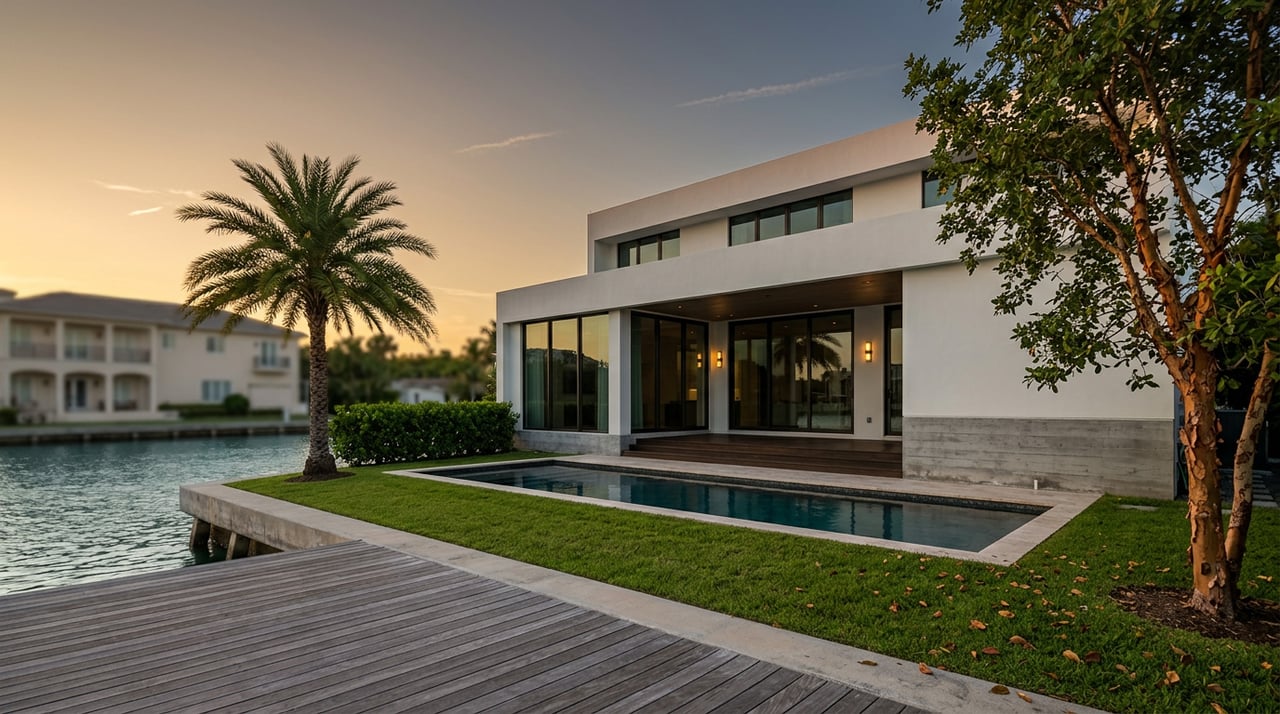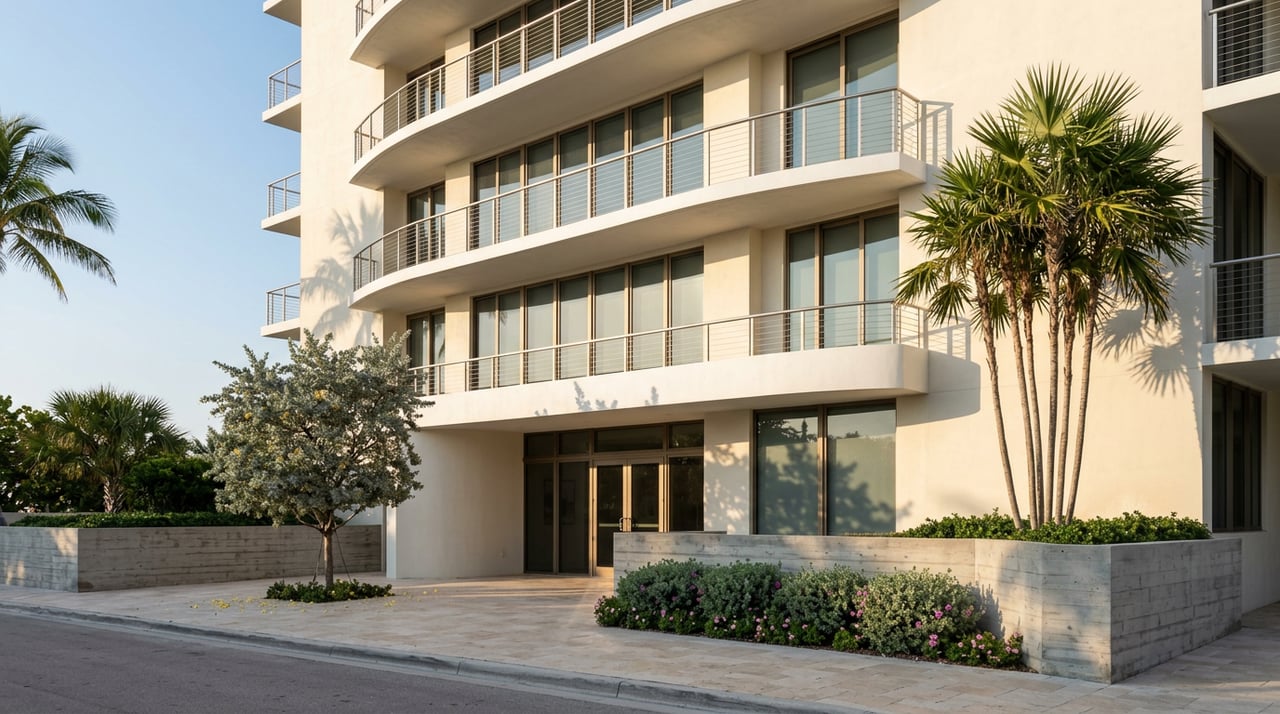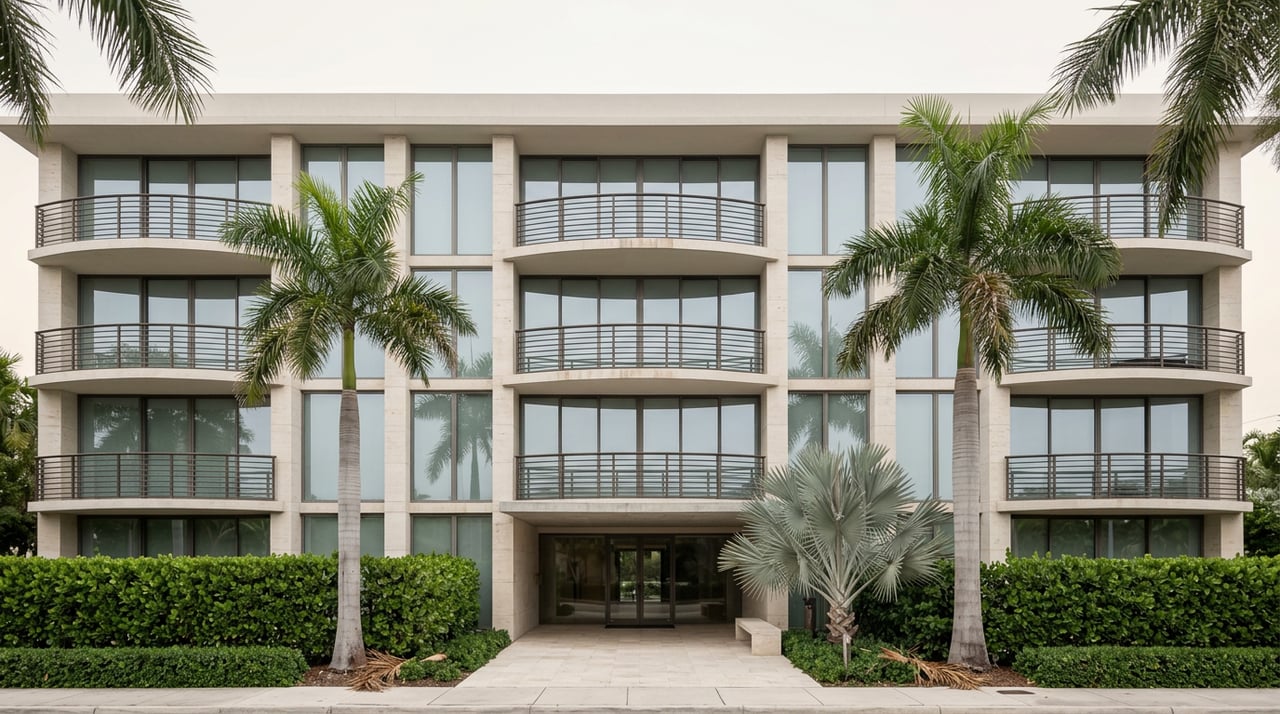
"The Live Local Act that we are currently experiencing the effects of was designed to cut out this democratic process," Bal Harbour Mayor Seth Salver told CBS News Miami after his council voted, unanimously, to reject a settlement that would have ended two years of litigation. "I think is unconstitutional because it cuts out the people and the residents who live in this community."
That vote happened on April 27, 2026, at a packed special meeting at the Sea View Hotel, where residents booed as attorneys described a deal that would have shrunk Whitman Family Development's proposed towers at Bal Harbour Shops. The council said no anyway. Two days earlier, Florida Attorney General James Uthmeier had filed a brief backing the developer, the first time the state's top lawyer has personally weighed in on a Live Local Act fight. Four and a half months later, as of this writing in September 2026, the case is still in court.
Every story written about this so far has framed it as a housing fight. It isn't, not really. It's a fight over five stories, a number Bal Harbour residents voted into their charter twenty years ago, and whether the state of Florida can override it. For anyone comparing Bal Harbour to Surfside, Bay Harbor Islands, or Miami Beach right now, that distinction matters more than the square footage on either side's latest rendering.
What Whitman Is Actually Asking For
Whitman Family Development, the family that has owned Bal Harbour Shops for more than half a century, filed its original Live Local Act application in January 2024. The ask was straightforward on paper and enormous in practice: towers rising to 275 feet, roughly 600 residential units, 40 percent of them reserved as workforce housing for households earning up to 120 percent of the area median income for 30 years, plus a 70-room hotel and additional retail space. When the village resisted processing the application, Whitman sued that same month, arguing the village was using political pressure to block a project that met the letter of state law. A judge denied the village's motion to dismiss later in 2024, and the village followed with a formal denial letter that November, which pushed the case into an amended complaint and toward trial.
By April 2026, mediation had produced a compromise: three buildings instead of the original plan, one tower at 297 feet and two at 225 feet, with the unit count cut to 180 and only 18 of those, 10 percent, priced below market. That last number is the tell. Under Live Local, a project needs 40 percent workforce housing to qualify for the law's zoning override. A settlement built around 10 percent wouldn't have qualified as Live Local at all, meaning the compromise wasn't really a housing compromise. It was a height and density compromise dressed up as one.
The council rejected it anyway, and Whitman's attorney, John Shubin of Shubin Law Group, said the developer would pursue its original vision in court.
The Number Bal Harbour Voted On Twenty Years Ago
In 2006, Bal Harbour residents voted to cap commercial buildings in the village at five stories. Whitman later sought a charter amendment that would have allowed the family to apply for a height increase. Voters said no to that too. It took a yearslong battle before the village approved a retail expansion in 2017, the same expansion that is currently underway and nearly doubling the shopping center's footprint.
That history is the actual stakes of the current lawsuit. Live Local lets qualifying projects build as tall as anything within a mile, sidestepping local height limits entirely through an administrative process rather than a public vote. A five-story cap that residents defended twice at the ballot box is not, under this law, a hard ceiling. It's a starting point a developer can bypass if the workforce housing math pencils out. Whether that math has to be real, or just real enough to survive a judge, is what a Miami-Dade circuit court is now being asked to decide.
The State Steps In
Uthmeier's amicus brief argued the village was "systematically obstructing" a project that met the statute's requirements, and that Bal Harbour "may not frustrate the Legislature's judgment through administrative obstruction or misapplication of state law." That's a state attorney general telling a small, affluent beachfront village that its zoning authority has limits it may not have understood it had.
The Live Local Act itself has been amended in three consecutive legislative sessions since it passed in 2023, each round closing a specific workaround municipalities had found. That pattern tells you something the Bal Harbour case confirms directly: the fight over how much local height and density control survives Live Local isn't finished, and Bal Harbour's outcome is being watched statewide as one data point in that fight, not just a local zoning dispute.
What the Fight Has Already Cost the Ground Floor
While the towers remain hypothetical, something concrete already changed. Hillstone, the steakhouse that had operated inside Bal Harbour Shops for 11 years, closed permanently in August 2026 with no public explanation, redirecting diners to its Coral Gables and North Miami locations. The timing lines up with a shopping center in the middle of a $550 million retail expansion and a residential fight that has now stretched past two years in court. Whether the two are connected or simply coincide, it's a reminder that the Shops property is not static while attorneys argue. Tenants come and go, construction fencing moves, and the retail experience residents and shoppers know today is not guaranteed to look the same in 18 months regardless of how the lawsuit resolves.
Why This Matters If You're Buying, Not Suing
Here is the part that should matter to anyone weighing a Bal Harbour purchase against a comparable unit in Surfside or Bay Harbor Islands. Bal Harbour's per-square-foot premium isn't just a function of beach frontage or brand names on the building. It's partly a function of scarcity that residents have actively voted to protect, twice, at real political cost to the family that owns the village's commercial core. That scarcity is one reason new inventory here is rare and existing towers hold value the way they do.
A ruling that lets Whitman build to 275 feet under Live Local doesn't just add units to one parcel. It tells every other landowner along the commercial corridor that a resident-approved height cap can be worked around through a state statute rather than another public vote. That's a different risk profile than a simple zoning variance, and it's worth pricing into any long-term hold in the village, especially for anyone buying with an eye toward appreciation tied to the area's built-in supply constraints.
None of this means the litigation will resolve in either direction, or on any particular timeline. As of this writing, no trial date or ruling on the merits has been reported. What it does mean is that a buyer treating Bal Harbour's five-story skyline as a permanent fact of the market is treating a live legal question as a settled one.
What to Ask Before You Write an Offer Near the Shops
If you're evaluating a property within view of Bal Harbour Shops, a few questions belong on your list alongside the usual building financials:
- Has the seller's building or HOA taken any public position on the Whitman litigation, and does the resale disclosure mention it
- Is the unit's value proposition tied to an unobstructed view or sightline that could change if construction proceeds at the Shops
- What does your lender or title company say about how pending, unresolved zoning litigation on an adjacent parcel factors into appraisal or insurance underwriting
None of these questions have universal answers. They depend on the specific building, its distance from the Shops, and how exposed its value is to the corridor's current low-density character. That's exactly the kind of building-by-building judgment that doesn't show up in a listing sheet.
A Few Direct Questions
Is the Bal Harbour Shops lawsuit likely to be resolved soon? There is no public trial date or ruling on the merits as of this writing. The case has already run more than two years, through a motion to dismiss, an amended complaint, mediation, and a rejected settlement, with an amicus brief from the state attorney general added in April 2026. Litigation on this scale in Florida commonly runs longer than initial timelines suggest.
Does this affect my ability to buy or sell in Bal Harbour right now? Not directly. Transactions are proceeding across the village's condo towers and single-family stock regardless of the litigation's status. What it affects is the long-term scarcity assumption behind current pricing, which is a factor worth discussing with a buyer's agent who knows the corridor rather than ignoring until it's resolved one way or the other.
Where can I read the actual court filings? The Village of Bal Harbour has published background documents, denial letters, and lawsuit updates on its official site, including the case number and the village's own answer and counterclaim, for residents who want the primary record rather than secondhand summaries.
If you're weighing a purchase in Bal Harbour against another coastal Miami-Dade enclave and want a read on how this litigation, the village's height history, and current building-level pricing actually intersect, The Davoudpour Team can walk through the specifics building by building. Schedule a Consultation to start that conversation before you write an offer, not after.